Cross-Platform App Development Company in Chennai
Build powerful apps for iOS and Android from one strong codebase. We launch high-quality mobile applications with an architecture designed for speed, consistency, maintainability, and product growth — using Flutter or React Native, whichever fits the product.
Discuss Your App Project Get a Development Estimate
Building for Multiple Platforms Doesn't Have to Mean Building Everything Twice
- Duplicate development
- Inconsistent UI between platforms
- Higher maintenance effort
- Slow feature releases
- Platform-specific bugs
- Fragmented teams
- Difficult testing and rising costs
- Faster multi-platform delivery
- Shared business logic
- Consistent experiences
- Reduced duplication
- Easier maintenance
- Centralized feature development
- Efficient testing and scalable architecture
End-to-End Cross-Platform App Development
Product Discovery
Clarify business goals, users, workflows, platforms, integrations, constraints, and MVP scope.
Architecture & Technology Selection
Evaluate Flutter, React Native, or another suitable approach against the product's actual requirements.
UI/UX Implementation
Translate approved designs into responsive, accessible, platform-aware interfaces.
Mobile App Development
Build shared application logic and reusable components for iOS and Android.
Backend & API Integration
Connect with Laravel/PHP, Node.js, REST APIs, GraphQL, cloud services, databases, payments, notifications, and third-party systems.
Native Feature Integration
Camera, GPS, biometrics, push notifications, files, Bluetooth, maps, payments, deep links, and other device capabilities.
Testing & QA
Functional, UI, integration, device, performance, regression, and release testing on both platforms.
Deployment
Production builds, signing, store assets, release configuration, and deployment support.
Maintenance
Bug fixes, dependency updates, OS compatibility, performance improvements, security updates, and feature enhancements.
A Structured Process From Idea to App Store
Discover
Goals, users, workflows, platforms, integrations, and constraints.
Define
MVP scope, user stories, acceptance criteria, and priorities.
Design
Information architecture, user flows, UI, and prototypes.
Architect
Framework, application architecture, state management, API, data, and security.
Develop
Reusable components, business logic, integrations, and native capabilities.
Test
Automated and manual QA across supported devices and OS versions.
Release
Production builds, store assets, signing, beta testing, and deployment.
Monitor
Crashes, performance, analytics, feedback, and business outcomes.
Improve
Fixes, optimization, new features, and roadmap evolution.
Flexible Development Models for Different Product Needs
The starting band for an iOS and Android app on our Pricing page. A firm figure follows requirements analysis, because scope depends on features, screens, integrations, backend work, native capabilities, testing, and timeline.
Get a Development EstimateFixed-Scope MVP
Defined scope, milestones, and acceptance criteria.
Project-Based Development
Complete application delivery from discovery through deployment.
Dedicated Development
Ongoing cross-platform engineering capacity, alongside your team or as it.
Modernization
Incremental migration, refactoring, UI modernization, and performance improvement.
Support & Maintenance
Bug fixes, OS updates, dependency updates, monitoring, and feature enhancement.
Mobile Products Built Around Real Business Problems

Healthcare Platform
A medical platform website with online booking, an admin panel and patient self-service — plus a companion booking and admin experience for the app side. Real, shippable proof of work built by our team.
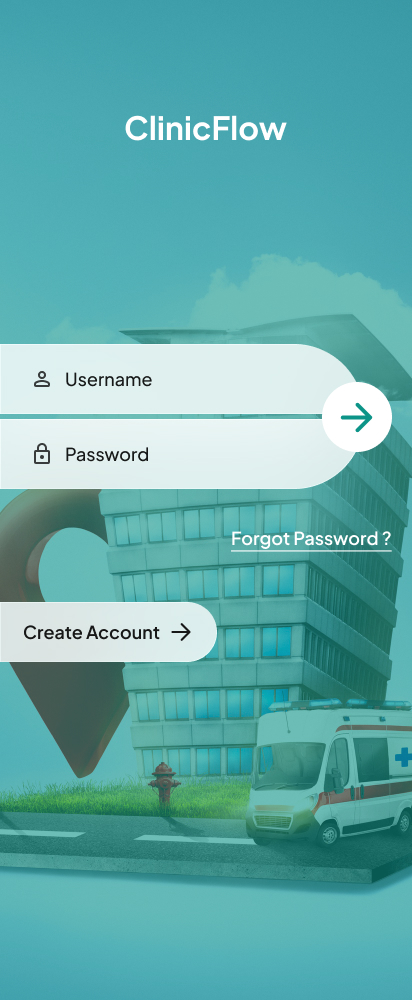
Clinic Booking App
Login and onboarding design for a clinic appointment booking app.
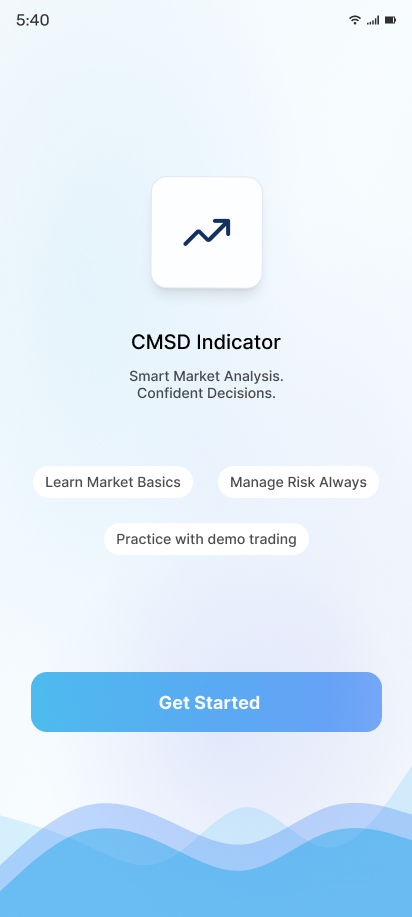
Market Analysis App
Onboarding design for a market analysis and trading indicator app.
What Our
Clients Say
Highest rated with an average 4.92 out of 5.00 from 13 reviews
"We received exceptional service for our website redesign and digital marketing campaign. The team's professionalism, technical expertise, and commitment to quality exceeded our expectations."
"Their web development expertise is impressive. The project was completed on schedule, and the after-sales support has been outstanding. We look forward to working with them again."
"The app development team was professional and supportive. They understood our business needs and delivered a reliable application with all the required features."
"Their digital marketing strategies helped us increase our online inquiries significantly. The team was knowledgeable, responsive, and transparent throughout the campaign."
"Their website development team built a fast, secure, and mobile-friendly website for our clinic. We have received many positive comments from our patients."
"Excellent service from start to finish. Their digital marketing efforts improved our search rankings and generated quality business leads within a few months."
Not Sure Cross-Platform Is Right? Start With a Feasibility Assessment
Tell us what the app has to do. We will review your features, native requirements, integrations, existing backend, and team, and tell you plainly whether Flutter, React Native, or native development is the better fit — including when the answer is not cross-platform.
Request a Feasibility Assessment- A recommended approach and the reasons for it
- Which features need platform-specific work
- Integration and backend risks
- A suggested MVP scope
- An indicative budget range and timeline
Choose the Architecture That Fits the Product
Native
Separate Swift/Kotlin apps for iOS and Android.
Consider it when the product needs highly specialized platform capabilities, extreme graphics or performance, deep hardware integration, or a strongly platform-specific experience.
Cross-platform
One codebase compiled or rendered as real iOS and Android apps, with native modules where needed.
A strong fit for business workflows, ecommerce, booking, content, SaaS, customer portals, marketplaces, on-demand services, internal apps, and MVPs.
Hybrid web-wrapper
A website packaged inside an app shell and displayed in a web view.
Rarely the answer for a product people use every day: it is quick to ship, but navigation, offline behaviour, and device features feel like a website, and Apple's review guidelines reject apps that are little more than a repackaged website.
What Is Shared — and What Is Still Platform-Specific
Written once
- Business logic and validation rules
- Screens, components, and the design system
- State management and navigation structure
- API client, authentication, and data layer
- Analytics events and most automated tests
Still done per platform
- Build configuration, signing, and certificates
- Store listings, screenshots, and privacy declarations
- Permission prompts and push-notification setup
- Native modules for device features or vendor SDKs
- Platform conventions, device, and OS-version testing
Two Mature Frameworks. We Build on Both.
Flutter
A shared codebase and a consistent UI approach across platforms, with support for rich interfaces and native integrations. Usually the better call when the design is distinctive and brand-led, or you are starting with no existing mobile team.
Flutter app developmentReact Native
A strong option for products that benefit from the JavaScript/TypeScript ecosystem and native UI components. Usually the better call when you already employ React developers or want to share code with a React web product.
React Native app developmentFrom Product Idea to Production-Ready App
A typical MVP scope
Prioritize the smallest useful product, not the largest possible feature list. A shared codebase makes the second release cheaper — which is the best reason to keep the first one small.
Modernize an Existing Mobile Application
- 01
Assess first
Codebase assessment and architecture review before anything is rewritten.
- 02
Identify risks
Dependencies, integrations, and business-critical flows that must not break.
- 03
Prioritize high-value changes
UI modernization, API modernization, and performance work where it pays back first.
- 04
Migrate in phases
Incremental framework migration with testing at each step, not a single big-bang rewrite.
Where the problem spans a wider legacy estate rather than one app, our app modernisation and integration service covers that work.
Connect Your App to the Systems Your Business Already Uses
REST APIs & GraphQL
Clear data contracts and API versioning, resilient to the network failures mobile clients actually hit.
Authentication & OAuth
Secure login, sessions, token handling, and role-based access aligned with your identity setup.
Payment Gateways
Payment flows, failure states, and reconciliation handled properly for the target market.
Cloud, Storage & Notifications
Cloud storage, push notifications, and maps wired in with retries and error handling.
CRM, ERP & Booking Systems
Connect the app to the platforms your business already runs on instead of creating parallel data.
Offline & Sync
Data validation, caching, and reliable offline/online behaviour where the product requires it.
Use Native Capabilities Without Losing Cross-Platform Efficiency
Consistent Does Not Mean Identical
Consistent across platforms
- Brand, typography, and colour
- Responsive layouts and components
- Forms, loading, and error states
- Accessibility and dark mode where required
Adapted to each platform
- Navigation and back behaviour
- Gestures and touch targets
- System dialogs and permission flows
- Platform-specific behaviour users expect
Need the design itself as well? Our UI/UX design team can produce it, or we implement your existing designs.
Build Security Into the Application Lifecycle
Test Across Real Devices and Real User Journeys
- Unit testing
- Widget/component testing
- Integration testing
- Functional testing
- Regression testing
- Device testing
- OS-version testing
- Performance testing
- Network-condition testing
- Release testing
Prepare Your App for Production Release
Configuration & signing
Production configuration, signing, and build generation per platform.
Store metadata & assets
Listings, screenshots, and assets for the App Store and Google Play.
Privacy information
Privacy declarations that match what the app actually does.
Versioning & release notes
A repeatable release process with clear version history.
Beta testing
TestFlight and Play testing tracks before production users see it.
Submission support
Submission and follow-up through each store's review.
Make the App Fast, Reliable, and Measurable
What we optimize
- Startup time
- Rendering and animations
- Memory
- Network requests and API latency
- Images and caching
- Database access and long lists
- Background processing
What we measure
- Installation and onboarding
- Activation and feature usage
- Conversions and purchases
- Errors and crashes
- Retention
- Funnel steps
Cross-Platform Development With Product and Engineering Thinking
Still deciding what to build, not just how? Start with custom app development, or see everything we do on our mobile app development page.